

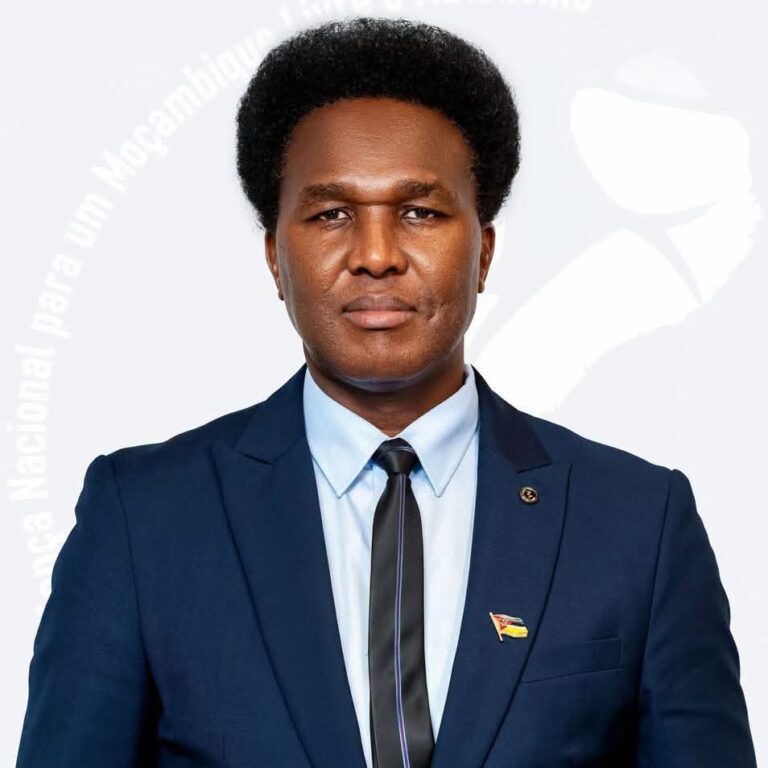
Anamola Leader Vanencio Mondlane Addresses Mozambicans and March-And-March on Facebook

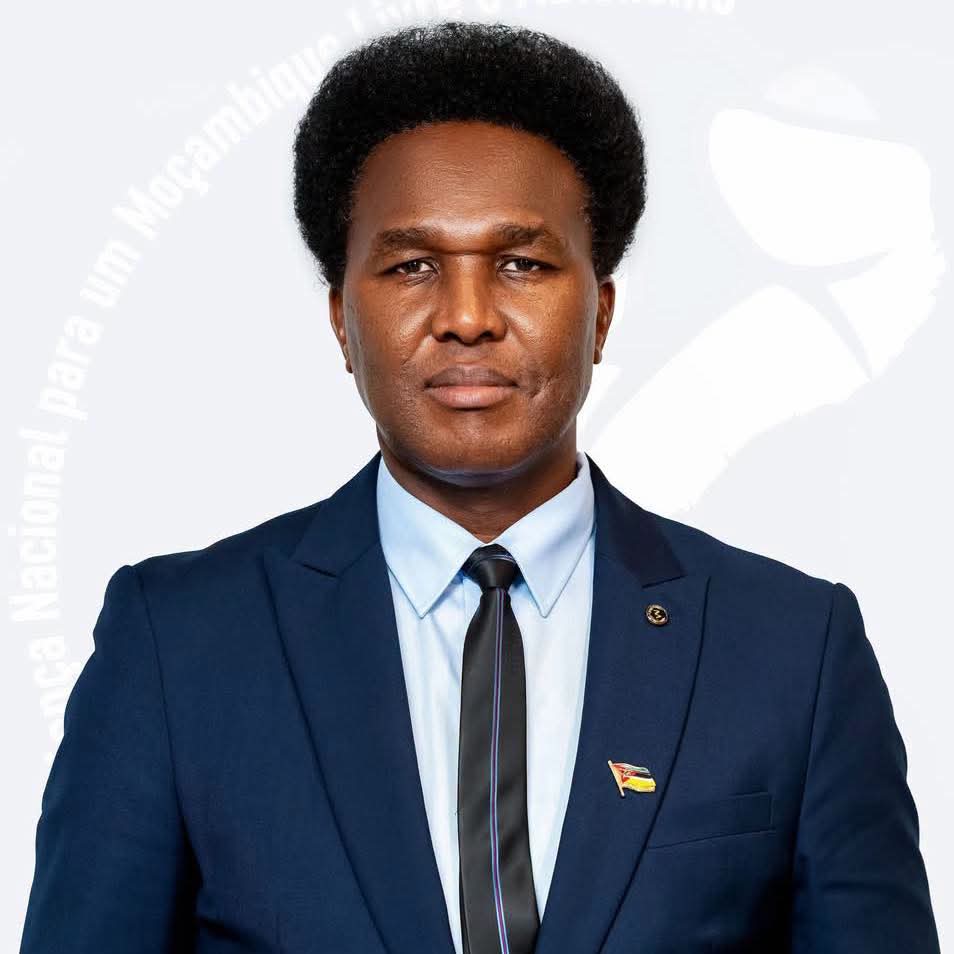 President Venancio Mondlane of Mozambique
FINAL SPEECH Sunday, 28 June 2026
By President Venancio Mondlane
To March and March + Mozambicans in RSA + South Africans + All Africans in RSA
OPENING
Brothers and sisters, I speak to you today from Mozambique, but my heart is standing in South Africa with you.
In Johannesburg. In Durban. In Cape Town.
In Soweto. In Mamelodi. In Tembisa.
In KwaMashu. In Khayelitsha. On the Cape Flats.
To my South African brothers and sisters: Sanibonani. Dumelang. Ndaa. Absheni. Good morning.
South Africa, we love you. You are not our enemy. You are our family.
To every Mozambican, Zimbabwean, Nigerian, Malawian, Congolese, Swazi, and every foreigner living in South Africa: I see you.
We are with you.
Let me begin with President Thabo Mbeki’s words in 1996, “I Am an African”:
“I am an African. I owe my being to the hills and the valleys, the mountains and the glades, the rivers, the deserts, the trees, the flowers, the seas and the ever-changing seasons that define the face of our native land.”
That is the truth.
One soil. One sun.
One people.
We walk behind giants who taught us this:_
Eduardo Mondlane, who said Africa is free only when Africans see themselves as one.
Oliver Tambo, who carried our liberation on his back while in exile.
Julius Nyerere, who taught us Ujamaa brotherhood before borders.
Kwame Nkrumah, who dreamed of a United Africa.
Kofi Annan, who told the world Africa’s dignity cannot be negotiated.
1. WE ARE ALL AFRICANS
If they were here today, standing with us in Soweto or Khayelitsha, they would say it plain:
There is no “foreigner” when the blood is the same.
Remember this: Berlin drew the lines.
In 1884, Europeans sat in a room and cut Africa with a ruler.
They split families, villages, kingdoms.
Those borders are theirs.
They are not ours. We inherited them.
2. IMMIGRATION, PRESSURE, AND OUR COMMON HUMANITY
Let’s speak plainly about what is breaking us in Johannesburg, in Durban, in Cape Town.
South Africa is calling for closed borders.
That is a fact.
We cannot point one finger at South Africa when the other four point back at us.
No country can run hospitals, schools, and jobs if its laws are broken or ignored.
That is governance.
Every South African from Mamelodi to the Cape Flats has a right to demand a system that works.
But here is the other side: The rest of Africa is asking for open borders while our houses are burning.
Open borders sound good.
But they cannot work when the countries around South Africa are collapsing.
If you open the doors wide while your neighbors’ houses are on fire, everyone will run to the one house with a roof.
South Africa will be overwhelmed.
The balance will break.
So we must work with South Africa, not fight her, to lift some of that weight.
A month ago we sent letters and emails to South Africa.
We wrote to every department, to the President of South Africa and all government institutions.
We reached out to civil organisations, human rights organisations, March and March, and institutions abroad. We did this because dialogue is our tool to build a path forward together.
The answer must go both ways: Fix the immigration system in South Africa.
Fix the broken states next door.
One without the other will fail.
And who burned our houses? Let us say it without fear.
In too many countries, the same liberation movements that freed us from colonial rule became our jailers.
They chose corruption.
They looted the treasury.
They killed farming.
They destroyed our democracy.
They created the reason our brothers and sisters leave neighboring countries with one bag and no promise and flood into this one country South Africa.
Others are running for their lives.
At home they are persecuted, jailed, abducted, tortured, and killed.
The same blood we are seeing now in Mozambique.
That is why South Africa feels like a valve.
For 30 years it has been the green pasture for a hurting region.
Nurses from Zimbabwe.
Miners from Lesotho.
Traders from Mozambique.
Students from Malawi.
Builders, drivers, domestic workers in KwaMashu, and mothers on the Cape Flats.
And now that valve is under pressure.
It is bursting.
I see that fear in Soweto. I see it in Tembisa.
I see it in Durban.
I will not pretend it is not real.
But pressure is never a reason to become what we hate.
When people are angry, the easy target is the man with an accent.
The woman who braids her hair differently.
The family selling tomatoes on a corner in Khayelitsha.
Hear me now: No anger at government no lack of services, no joblessness, no broken clinic gives any man the right to lift his hand against his brother.
To kill him. To rob him. To burn his shop.
His skin, his accent, the way he says “mfethu” or “bhuti” is not a reason for violence.
That is not justice.
That is scapegoating. And scapegoating does not fix a broken system.
It breaks people.
So I speak to March and March, and to every South African listening from Mamelodi to Cape Town, from Tembisa to the Cape Flats: Walk with us.
We feel your fear of collapse.
Feel our pain of exile.
Put those two pains on one table.
Our anger should not be on the shopkeeper living on bread and butter.
It belongs at the door of dictators, corrupt officials, thieves, and fat cats.
They emptied the treasury.
They closed the factories.
They killed farming.
They destroyed our democracy.
That is why March and March must also rise in Mozambique.
Not against foreigners.
Against the rulers who made us strangers in our own land.
Until we agree, as Africans, to fix our own countries.
Here is what unity looks like:
March and March, when you march, do it hand in hand with Mozambicans, Zimbabweans, Nigerians, Swazis, and all foreigners in South Africa.
March to the Embassy of Mozambique.
To the Embassy of Nigeria.
To the Embassy of Zimbabwe.
To the Embassy of Eswatini.
Close those embassies, because they are a symbol of shame.
They are offices of governments that have oppressed and trampled their own people.
They are not houses of dignity. They are houses of exile.
We go there to say: “You failed us at home.
You will not hide here.”
And if you must close the border gates to make the point, then close them but close them without spilling your brother’s blood.
Close them with discipline.
Close them with dignity.
Close them to say: “No more business as usual while our people suffer.”
Not with stones.
Not with fire.
With one voice.
Because we are one people, from Johannesburg to Maputo.
B. TO OUR PEOPLE, ON THE GROUND
1. TO OUR FELLOW MOZAMBICANS
My brothers and sisters in South Africa, listen to me.
If you have a way out, take it.
Legal or not, leave until the dust settles.
Your life is not a document. No paper is worth a coffin. Go where it is safe.
If you must stay, then hide well.
Stay away from the streets of Johannesburg, Durban, and Cape Town.
A protest can be replaced.
A truck can be replaced.
You cannot.
Protect your children. Protect your mother. Protect your name.
We are with you.
We will keep the lines open day and night.
Tell us where you are.
Tell us if you are safe.
Tell us if you are hungry. You are not alone.
And remember this:
One calm voice in Tembisa can stop a crowd. One person who says “not my brother” can save ten lives. Be that one.
4. FOREIGNERS, LEGAL OR ILLEGAL, ARE VICTIMS TWICE
The foreigner is bleeding twice.
First, he was pushed out of his own home by leaders who stole his future.
Second, he is being kicked while he is down in the only place that gave him shelter in Soweto, in Khayelitsha.
He did not create the crisis.
He is running from it.
5. SOUTH AFRICA: WHO IS THE REAL ENEMY?
South Africans, hear me clearly.
Your enemy is not the Malawian on the taxi rank. Not the Nigerian with a shop. Not the Mozambican cleaning floors.
Your enemy is bad governance. Corruption. Greed.
The same people who killed jobs, killed farming, destroyed our democracy, are now pointing at the foreigner so you don’t look at them.
Don’t be fooled. Don’t be used.
6. PRESSURE YOUR OWN GOVERNMENTS
So I stand with March and March on this:
Every nation must turn on its own government.
Mozambicans, pressure Maputo.
South Africans, pressure Pretoria.
Nigerians, pressure Abuja.
The rot is inside the house.
Clean your own house first.
7. BAD GOVERNANCE IN MOZAMBIQUE
And in Mozambique, let us name the disease.
They destroyed industry.
They killed farming.
They destroyed our democracy.
Today we grow less food than we did in the 1960s. Corruption is the system.
If you have a business, they squeeze you.
If you speak, they silence you.
Taxes go up. Services go down. And the money vanishes.
And what do our leaders do? They fly to Pretoria. They fly to Johannesburg.
They sit in hotels.
They drink coffee.
They smile for cameras.
But they never sit with the mother in Tembisa who is hiding.
They never sit with the trader in Durban whose shop was looted.
They never sit with the student in Cape Town who is afraid to go home.
Coffee will not feed us.
Handshakes will not protect us.
The real issue is being ignored while they chase photos.
CLOSING – THE BRAND: PRIDE AFTER PAIN
Recently our president went to South Africa to talk about mineral trucks, Maputo Port, gas deals.
But people do not eat minerals.
People do not drink gas.
The people in Soweto, Mamelodi, Tembisa, KwaMashu, Khayelitsha, and on the Cape Flats want food on the table.
Clinics that work.
Transport they can afford. Schools for their children.
Yes, we are angry.
Yes, we are tired.
But we will not lose who we are.
So I leave you with the words President Thabo Mbeki gave us in 1996:
“Today it feels good to be an African.”
Even in pain. Even in exile. Even in Soweto or Maputo, it must still feel good to be an African.
Because we are one people.
As Mbeki said: I am an African. As Mondlane taught us: We are one people.
South Africa. Mozambique.
All of Africa: Stay strong.
Stay alive.
Stay united.