

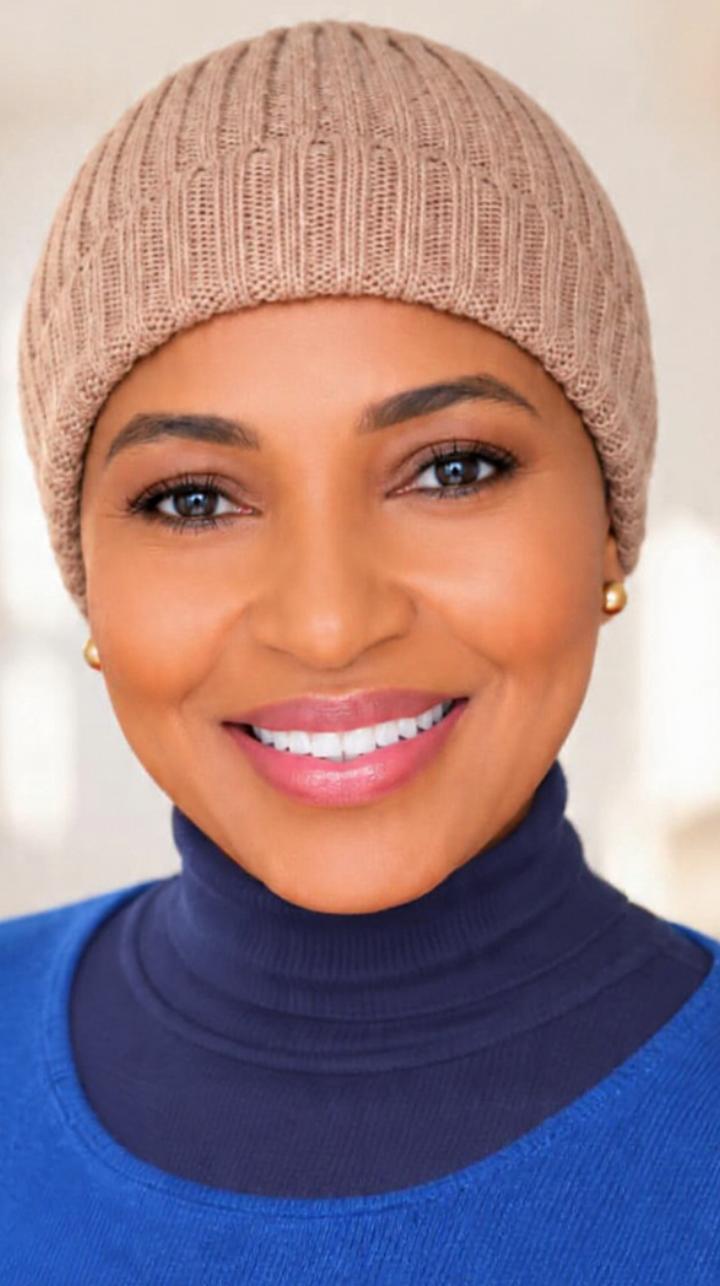
Why I Chose to Become a Human Rights Activist

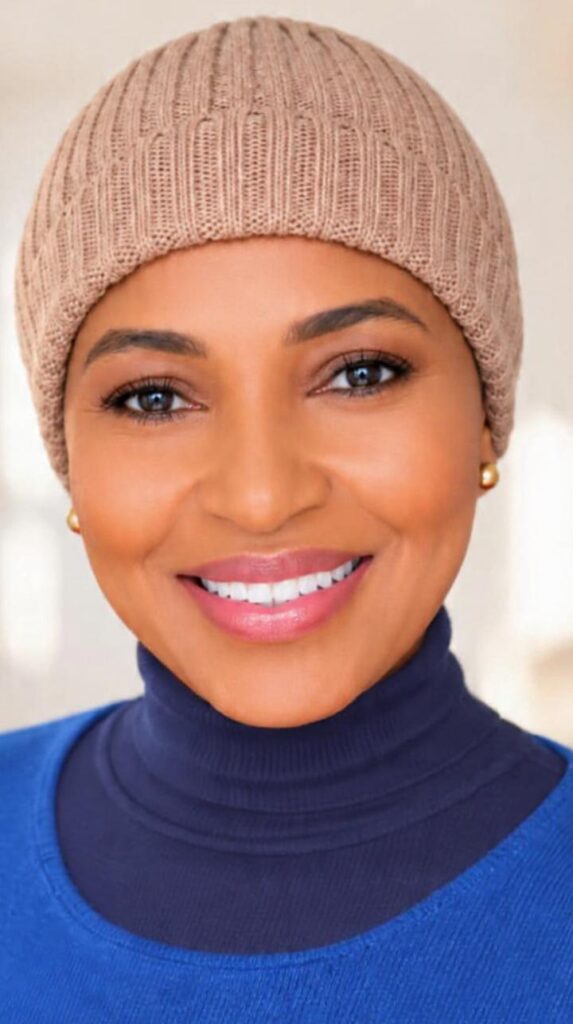 Tebogo Mokope Modjadji Human rights activism
By Tebogo Mokope Modjadji
Human Rights Activism
Human rights activism is often associated with those who have personally endured oppression, discrimination, or injustice.
While many remarkable activists have emerged from adversity, my journey has been different.
I did not become a human rights advocate because I was a victim.
I became one because I refused to remain indifferent.
My story began long before I took my first breath.
Born in November 1976, during one of the most consequential periods in South Africa’s history, I was fortunate to grow up in an environment characterized by love, support, and opportunity.
My educational journey was smooth, and my professional life afforded me the privilege of working with prominent institutions both locally and internationally.
By all measures, I enjoyed a life marked by achievement and global exposure.
For many years, I was not directly confronted by the hardships that millions of South Africans continue to endure.
I was blessed with opportunities that enabled me to pursue excellence and contribute meaningfully within my professional sphere.
Yet, as I observed the realities unfolding around me in recent years, I came to a sobering realization: prosperity and privilege should never exempt anyone from moral responsibility.
Under the leadership of the African National Congress government headed by President Cyril Ramaphosa, South Africa has witnessed growing public frustration over issues such as unemployment, inequality, corruption, crime, poverty, and the deterioration of essential services.
These are not merely political talking points.
They represent the lived experiences of ordinary citizens who deserve dignity, accountability, and the full protection of their constitutional rights.
Witnessing these challenges compelled me to ask difficult questions.
What is the purpose of success if it is not accompanied by service? What is the value of influence if it is not used to advocate for those whose voices are seldom heard? And what kind of society do we leave behind if we choose silence over courage?
I have come to believe that activism is not the exclusive preserve of those who have suffered.
It is also the responsibility of those who have been fortunate enough to enjoy opportunities and who recognize their obligation to stand in solidarity with others.
Human rights are universal.
They do not belong to a particular race, political party, social class, or ideology. They belong to all humanity.
South Africa’s constitutional democracy was founded on principles of equality, dignity, and freedom.
These principles are too precious to be taken for granted.
They require vigilant citizens who are prepared to hold institutions accountable, defend the vulnerable, and insist on ethical leadership.
Democracy flourishes not when citizens are passive, but when they actively participate in shaping the future of their nation.
My activism is not rooted in bitterness or political hostility.
It is rooted in compassion and a deep love for South Africa and its people.
It stems from the conviction that every child deserves quality education, every family deserves safety, every community deserves reliable public services, and every citizen deserves leaders who place the interests of the nation above personal gain.
History teaches us that societies are transformed not only by those who hold office, but also by ordinary men and women who refuse to accept injustice as inevitable.
Change is possible when conscience triumphs over complacency and when citizens recognize that silence can sometimes become complicity.
I believe that one does not need to experience suffering personally to stand against it.
One does not need to be oppressed to defend freedom.
And one does not need to be marginalized to champion equality.
Ultimately, the measure of our lives will not be determined solely by the positions we held or the wealth we accumulated, but by the difference we made in the lives of others.
Human rights are not privileges granted by governments.
They are inherent and universal.
Protecting them is not merely the responsibility of activists; it is the responsibility of every citizen who believes in justice, dignity, and the promise of a better future.
That is why I chose to become a human rights activist.
And that is why I will continue to speak.