
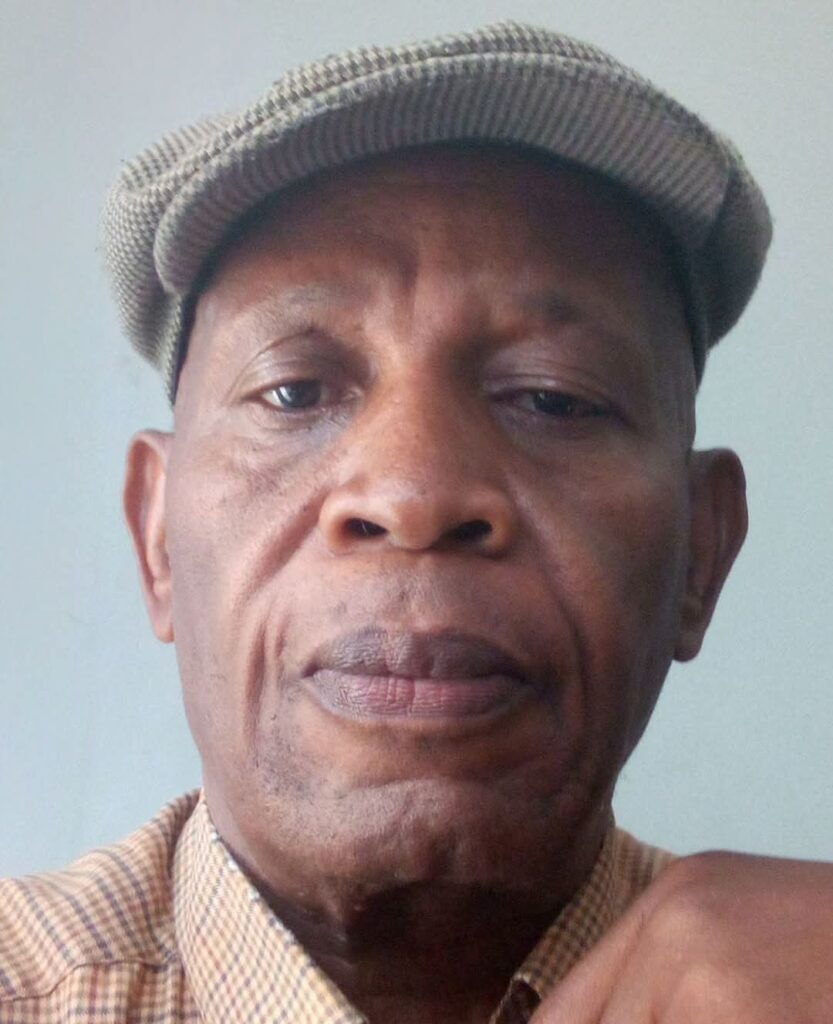
 Phalane Motale Veteran Journalist
By Phalane Motale
Veteran Journalist
The struggle of 1976 was a focused fight against a visible, oppressive system, built on the sacrifices of the generations before us.
At the time we continued with what our parents had started more than two decades earlier via the 1956 Women’s March in and the Sharpeville protests in 1960 that led to the Sharpeville Massacre.
Today, the battleground has changed.
The enemy is no longer a legalised system of racial segregation, but rather apathy, economic inequality, and the erosion of democratic institutions.
The 50th anniversary of the June 16, 1976 Soweto Uprising is not a milestone meant for passive nostalgia or comfortable political speeches.
Half a century ago, we as high school students in Soweto, Mamelodi, and townships across South Africa rose up against the brute force of the apartheid state.
At the time, we inherited an era of absolute political silence, after political formations were banished and our leaders incarcerated on Robben Island.
Yet, we chose to shatter that silence with our blood and unyielding courage to confront an oppressive system directly.
Today, the battleground has radically shifted.
The post-apartheid generation has inherited political freedom, but they have also inherited the crippling burdens of poverty, devastating unemployment, and unfinished economic transformation.
The greatest threat to South Africa’s hard-won progress is no longer a legalised system of racial segregation, but rather a creeping democratic decay fueled by citizen withdrawal.
Democracy inherently weakens when citizens choose to step back and insulate themselves from political life.
We have fallen into a dangerous, five-year cycle: we cast a ballot, surrender our power to elected officials, and completely disengage until the next election cycle.
This passive spectatorship directly violates the core vision of the Freedom Charter.
The liberation movements of the past did not fight simply to hand over unchecked power to a new political elite.
The Constitution has not failed ordinary South Africans; rather, the citizens are failing the Constitution by refusing to weaponise its frameworks to demand transparency, functional service delivery, and structural equality.
While the historical mission of today’s youth is fundamentally different from the Class of ’76, it is no less urgent.
Today’s youth should be reminded that activism that only fights for isolated, fragmented interests divides the national focus.
History proves that youth movements achieve their most monumental, society-shifting impacts only when they seek to lead and lift the country as a whole.
They must treat democracy as a daily discipline because voting is merely the baseline of civic duty.
True accountability requires regular, unrelenting community organizing, monitoring local government expenditure, and occupying civic spaces to ensure public participation is never hollowed out.
The youth must stop chasing tenders, unprotected sex, drugs and expensive alcohol and rather bridge the gap between political freedom and economic dignity.
Political rights mean very little to the 60.9% of young South Africans trapped in unemployment.
The ultimate tribute to the martyrs of 1976 is to actively convert democratic liberties into tangible socioeconomic opportunities.
The youth of 1976 did their part by putting their bodies on the line to break an empire.
The youth of today must take up the torch to safeguard the democracy that was bought so dearly not by looking away, but by stepping aggressively into the vacuum of leadership.
Tshwane Talks readers have been able to read stories in this publication for free for over two years now. We still want our readers to access our stories for free, but we are asking those among our readers who can afford it to contribute at least R30 a month to cover some of the costs of publishing this independent, non-aligned online newspaper which gives a voice to all sectors of society irrespective of race, colour, creed, religion, or political affiliation. You may make your contribution by depositing at least R30 a month into Tshwane Talks' bank account. Details are as follows:
Bank Details
Bank: Standard Bank
Account Number: 10225548834
Account Type: Cheque Account