
 oplus_32
oplus_32
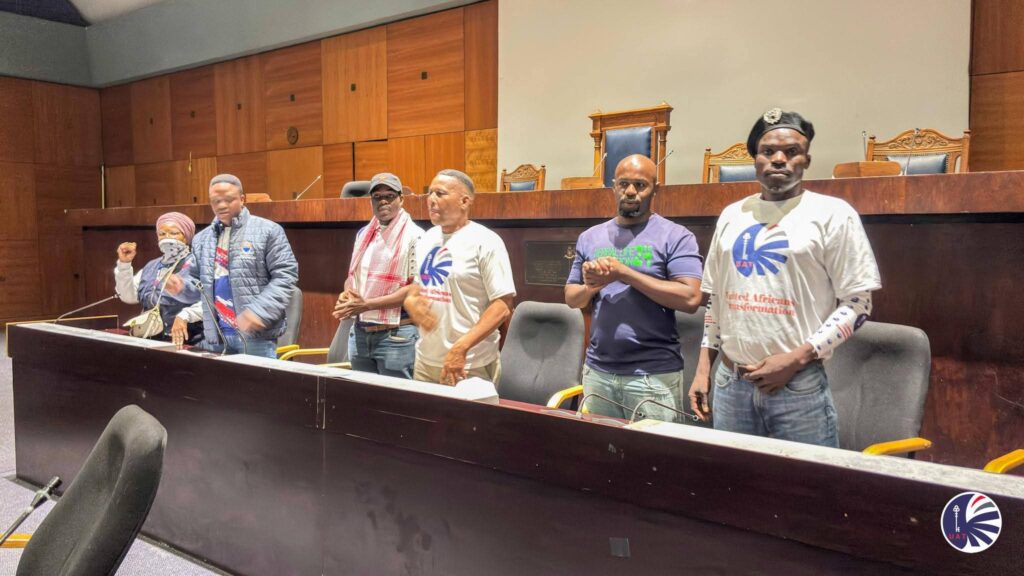 Tshwane UAT interim structure
By Tsakane Manganyi
UAT head of communication
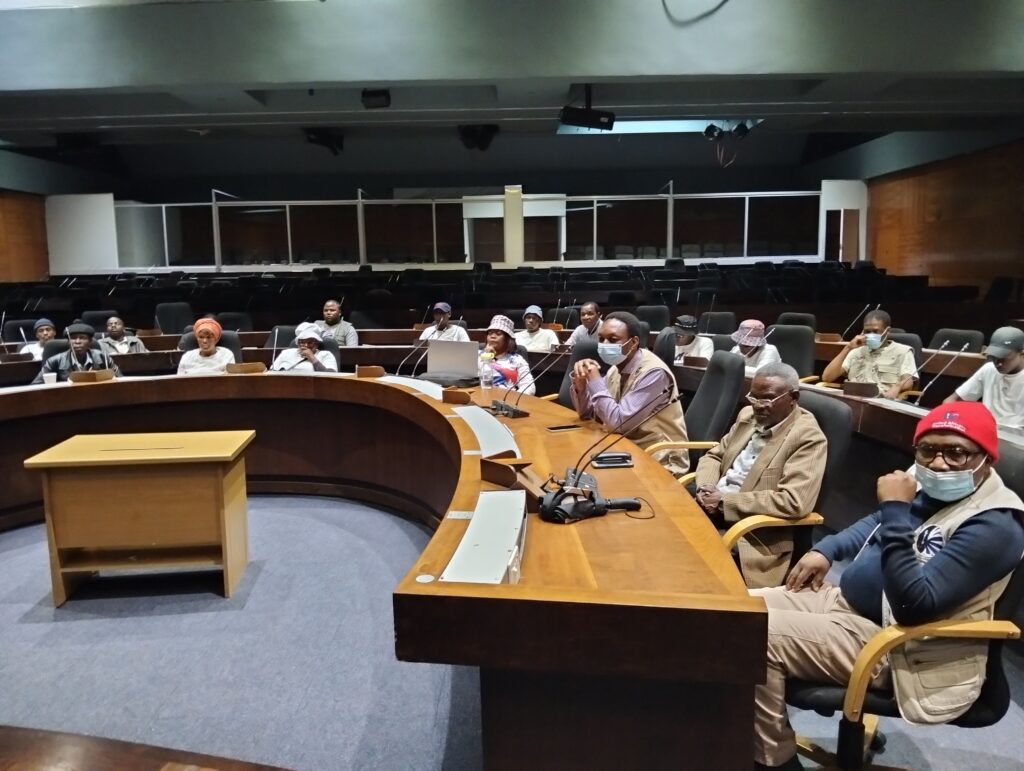
The United Africans Transformation (UAT) Tshwane region has concluded a high-level General Meeting at Sammy Marks Chamber Offices, marking what insiders describe as a decisive organisational reset ahead of an intensifying political cycle.
Branches and affiliated structures gathered in a focused strategic session aimed at strengthening internal cohesion, reinforcing discipline, and aligning regional operations with the broader political mandate of the movement.
The presence of national and provincial leadership underscored the seriousness of the engagement and the strategic importance of Tshwane within UAT’s growth trajectory.
According to attendees, discussions centred on branch functionality, electoral readiness, grassroots mobilisation, and the consolidation of administrative systems.
The meeting reflected a deliberate shift from mobilisation rhetoric to structural consolidation, a sign of a party seeking to entrench institutional stability at local level.
In a significant organisational development, interim leadership was elected from the floor, signalling both internal democratic participation and an urgency to formalise coordination structures.
Interim Leadership Structures
The following interim structure was constituted:
Chairperson: Fani Lodi
Deputy Chairperson: Simon Maleka
Secretary General: Runnie Mammushi
Deputy Secretary General: Georgina Mathe
Treasurer General: Mahlogonolo Mphahlele
Organizer: Ishmael Ndou
Head of Elections (HOE): Amo
Campaign Manager: Veron
The newly elected interim leadership is tasked with strengthening branch coordination, tightening implementation mechanisms, and sharpening electoral machinery as the party positions itself for expanded political relevance in Tshwane.
Tshwane remains a strategically contested metropolitan space within Gauteng’s political landscape. For emerging formations such as UAT, internal discipline and structural coherence are critical in converting grassroots mobilisation into measurable electoral performance.
Observers note that while interim structures are transitional by nature, their effectiveness often determines whether a political organisation can translate organisational momentum into sustainable political capital.
The conclusion of the Tshwane General Meeting signals a movement intent on consolidation rather than mere visibility, a calculated step in what appears to be a broader programme of institutional strengthening within UAT.
As the political environment intensifies, the performance of this interim leadership will likely shape UAT’s operational footprint in the capital city in the months ahead.
Tshwane Talks readers have been able to read stories in this publication for free for over two years now. We still want our readers to access our stories for free, but we are asking those among our readers who can afford it to contribute at least R30 a month to cover some of the costs of publishing this independent, non-aligned online newspaper which gives a voice to all sectors of society irrespective of race, colour, creed, religion, or political affiliation. You may make your contribution by depositing at least R30 a month into Tshwane Talks' bank account. Details are as follows:
Bank Details
Bank: Standard Bank
Account Number: 10225548834
Account Type: Cheque Account