

CRIMINALITY BEHIND PRISON WALLS: A CRISIS THAT DEMANDS URGENT ACTION

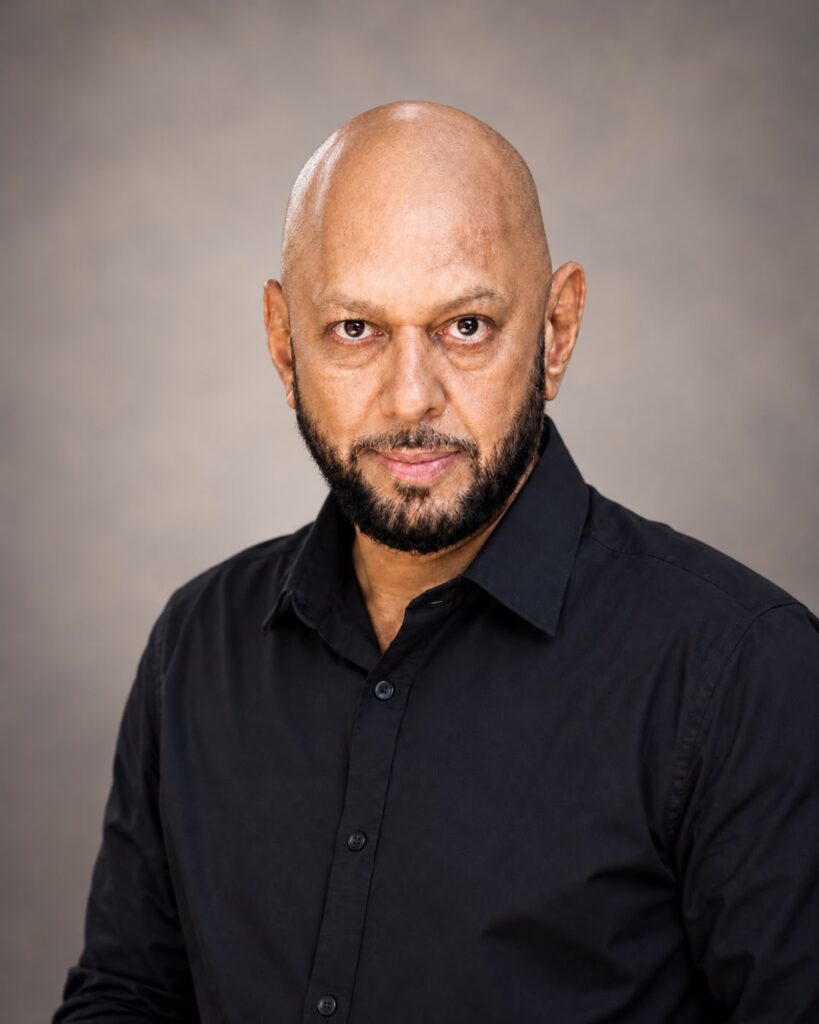 Journalist and anti-crime activist Yusuf Abramjee
By Yusuf Abramjee
Journalist and anti-crime activist
Are prison authorities directly behind the rampant acts of lawlessness and crime in correctional centres?
We must be very careful not to paint every correctional services official with the same brush.
There are dedicated,hardworking and honest officials who put their lives on the line every day to maintain order and ensure that correctional facilities operate effectively.
However, the growing reports of criminality, violence, drug abuse, illegal substances, contraband, intimidation and other unlawful activities inside our correctional centres raise very serious questions about security, accountability and possible corruption within the system.
Let us be frank: prisons are supposed to be places where offenders are held accountable for their crimes, where rehabilitation takes place and where the state maintains strict control.
They cannot become breeding grounds for further criminality or institutions where criminal networks continue operating behind bars.
It is extremely concerning when videos emerge showing inmates allegedly injecting themselves with substances, possessing prohibited items or engaging in activities that should never be possible inside a maximum-security environment.
How do these items get into correctional centres? Who facilitates their entry? Who turns a blind eye? Are there officials who are compromised, bribed or actively participating in criminal activities?
These are questions that demand credible answers.
We cannot automatically conclude that prison authorities as an institution are behind these activities.
That would be unfair to honest officials. However, where there is evidence of officials facilitating, enabling or participating in criminality, they must be investigated, arrested where appropriate, charged and prosecuted.
Corruption within correctional services is particularly dangerous because it undermines the very purpose of incarceration.
If inmates can bribe officials, obtain prohibited substances, access cellphones and continue coordinating criminal operations, then the state has effectively lost control of parts of its correctional system.
There must be zero tolerance for compromised officials.
Wearing a correctional services uniform must never become a licence to participate in criminality.
What can be done to get rid of criminality at correctional centres?
We need a comprehensive, intelligence-driven approach.
Simply transferring inmates from one correctional facility to another is not a solution.
It may temporarily address a particular security concern, but it does not deal with the underlying problem.
There are several urgent interventions that must be implemented:
Root out corruption within the system.
There must be thorough investigations into officials suspected of facilitating the smuggling of drugs, cellphones, weapons and other prohibited items into prisons. Anyone found to be involved must face the full might of the law.
Internal disciplinary processes must not be used to protect corrupt officials. Criminal conduct must be referred to the SAPS and the relevant investigative authorities.
1. Strengthen security and introduce modern technology.
Correctional centres need improved surveillance systems, including CCTV cameras in strategic areas, proper monitoring rooms, access-control systems, body scanners and modern detection equipment.
There should be regular, unannounced security inspections and searches of cells, facilities and areas vulnerable to contraband smuggling.
Technology must be used to identify suspicious movements and close security loopholes.
Investigate the supply chains bringing contraband into prisons.
We must establish how drugs, illegal substances, cellphones, weapons and other prohibited items enter correctional facilities.
It is not enough to confiscate contraband from inmates. Authorities must identify and dismantle the networks supplying these items.
Follow the money.
Identify the facilitators. Investigate the officials, visitors, contractors and criminal networks involved. Where evidence warrants it, prosecute them.
1. Strengthen intelligence and monitoring.
Correctional Services must work much more closely with the SAPS, the Hawks and other relevant law-enforcement agencies.
There should be dedicated intelligence operations focusing on criminal networks operating from inside prisons.
Inmates who continue directing robberies, kidnappings, drug trafficking, extortion and other serious crimes from behind bars must be identified and dealt with within the law.
Improve accountability and consequence management.
Every serious security breach must trigger an investigation. There must be clear accountability from the officials directly responsible to the management of the facility.
Where negligence, corruption or deliberate misconduct is established, there must be consequences.
There should also be independent oversight to ensure that investigations are not compromised or covered up.
1. Protect whistleblowers.
Officials and inmates who expose corruption and criminal activities must be protected. We need a system where people can report wrongdoing without fear of intimidation, victimisation or retaliation.
1. Address overcrowding and improve rehabilitation.
We cannot ignore the impact of overcrowding, inadequate staffing and poor conditions on prison security.
Correctional centres must have sufficient properly trained personnel. Rehabilitation, education, skills development and programmes addressing substance abuse must also be strengthened.
Incarceration must not simply be about locking people away. It must be about ensuring that offenders have an opportunity to change and eventually reintegrate into society.
MY CONCLUSION
South Africa cannot afford to have correctional centres becoming operational bases for organised crime.
A prison sentence must mean something. When someone is incarcerated, they must be deprived of the opportunity to continue committing crimes and terrorising communities from behind bars.
We are already fighting a serious battle against organised crime, illegal firearms, drug trafficking, kidnappings, extortion and corruption on our streets. We cannot allow these criminal networks to flourish inside our correctional facilities as well.
The Department of Correctional Services has a responsibility to restore discipline, security and public confidence in the prison system.
We need decisive leadership, intelligence-driven operations, accountability and action against everyone involved, regardless of their position or rank.
There must be no safe haven for criminals – not on our streets, not in our communities and certainly not behind prison walls.
This is not just a correctional services problem. It is a national security concern. It is a threat to public safety, and it demands urgent intervention.
My recommendation:
The strongest message to emphasise in your media interview is that transferring inmates is not enough.
The authorities must dismantle the networks, expose compromised officials and follow the money.
That shifts the debate from managing prison incidents to confronting the criminal infrastructure behind them.
Support independent community journalism
Help keep Tshwane Talks free to read
Tshwane Talks stories are free to read, and we want to keep it that way. We ask readers who can afford it to contribute at least R30 a month towards the cost of publishing this independent, non-aligned online newspaper.
Tshwane Talks gives a voice to all sectors of society, irrespective of race, colour, creed, religion or political affiliation.
Contribute by bank deposit
- Bank
- Standard Bank
- Account number
- 10225548834
- Account type
- Cheque account
- Suggested
- R30 or more per month
Questions about contributing? Email info@tshwanetalks.com.