

CAPITAL, CAPTURE, AND THE DEATH OF THE NEWSROOM SPINE

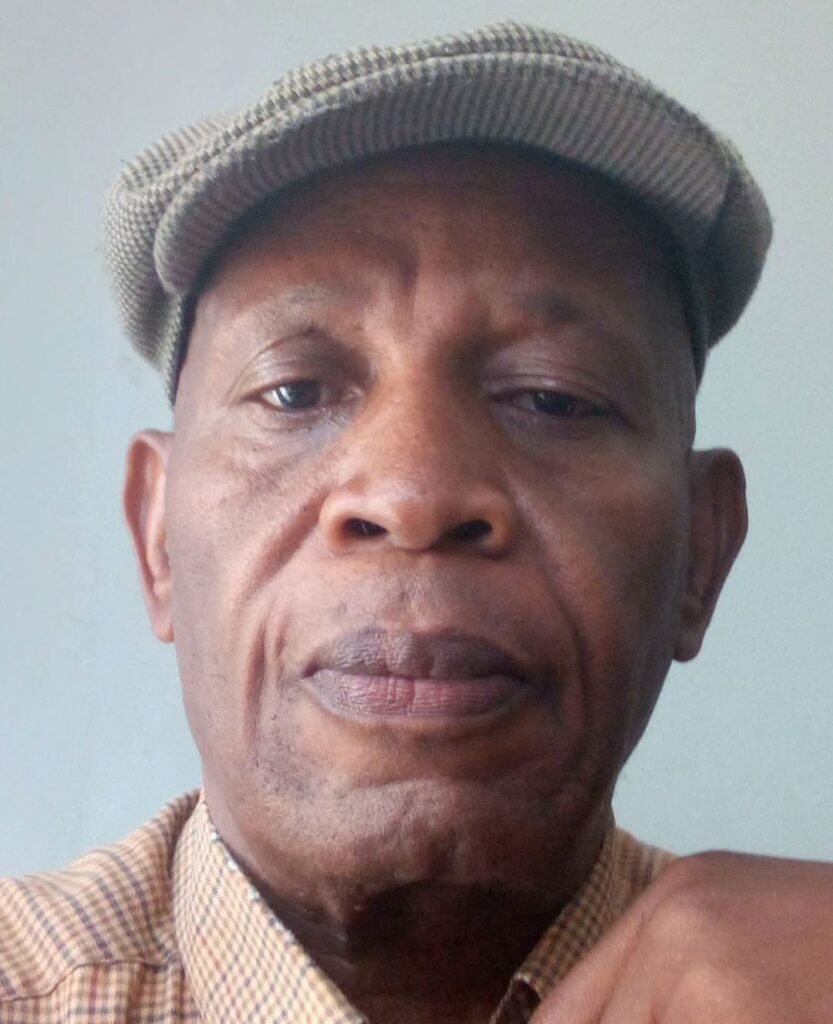 Phalane Motale Veteran Journalist
By Phalane Motale
Veteran Journalist
On 19 October 1977, the apartheid regime needed iron-fisted censorship, police cells, and state bans to silence the Black press.
Today, the state does not need to lift a finger to mute us.
We are doing it to ourselves for the right price, trading the fires of “Black Wednesday” for corporate insulation.
Let us stop hiding behind the self-congratulatory myth of the “veteran” journalist.
It is time to ask the precise,uncomfortable question we aggressively avoid at media galas: Did you leave the newsroom because your passion died, or did you simply trade your investigative fire to become a corporate spin doctor?
We have allowed a generational crisis of what the Wits Centre for Journalism calls “juniorisation” to hollow out our media.
As legacy advertising revenue models collapsed under pressure from global tech monopolies, widespread newsroom retrenchments followed.
Senior reporters abandoned the public interest to write glossy press releases and manage reputation crises for the highest bidder.
What they left behind are decimated newsrooms populated by underpaid, overworked graduates.
These young reporters are expected to endlessly feed a chaotic, 24-hour digital content machine entirely stripped of the rigorous sub-editing, institutional memory, and verification mentorship required to uphold democratic oversight.
Furthermore, we boast endlessly about media transformation and “Black bosses,” yet the reality remains structurally tied to untransformed capital.
The landmark SANEF Independent Inquiry into Media Ethics and Credibility made the systemic failure painfully clear: structural financial distress has opened the floodgates to owner interference, corporate capture, and political factionalism.
In a desperate scramble to survive, contemporary media houses have spent decades competing to become the “favourites” of corporate gatekeepers.
Outlets default to chasing affluent target demographics to secure corporate advertising spend, systematically marginalising and abandoning the deep socio-economic realities of the township and the village.
True media freedom was never just about changing the skin colour of the investors at the top; it was about building an unshakeable editorial standard that refuses to bow to any master’s balance sheet.
Before you demand respect as an elder of this craft, answer this: What structural mechanisms have you actually implemented to change, build, or protect the journalism fraternity in South Africa?
If your ultimate legacy is just surviving long enough to secure a lucrative corporate communications escape hatch, you are not a veteran of the truth.
You are just a passenger who successfully looted the ship before it sank.
Support independent community journalism
Help keep Tshwane Talks free to read
Tshwane Talks stories are free to read, and we want to keep it that way. We ask readers who can afford it to contribute at least R30 a month towards the cost of publishing this independent, non-aligned online newspaper.
Tshwane Talks gives a voice to all sectors of society, irrespective of race, colour, creed, religion or political affiliation.
Contribute by bank deposit
- Bank
- Standard Bank
- Account number
- 10225548834
- Account type
- Cheque account
- Suggested
- R30 or more per month
Questions about contributing? Email info@tshwanetalks.com.