Home Sweet Home: Zimbabweans Are Leaving Sa Bitterly

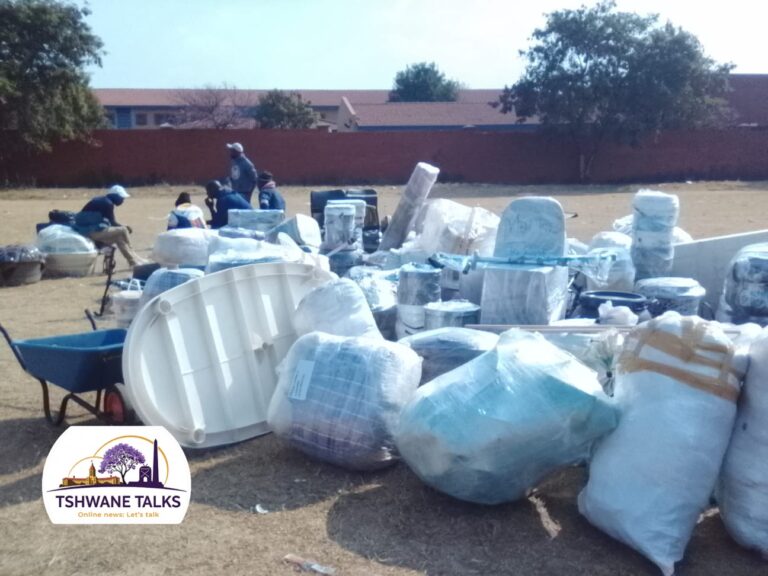
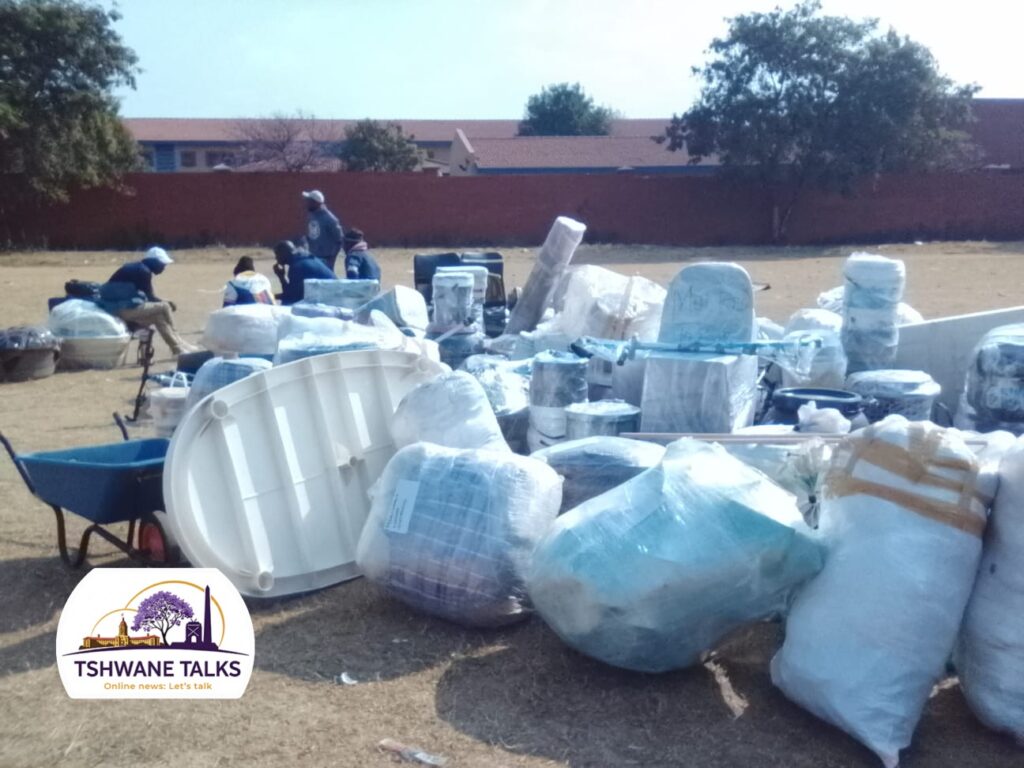 Zimbabweans going home from the Mamelodi East Police Station photo by Peter Mothiba
Thousands of Zimbabweans are leaving South Africa on a daily basis from various places across the country, and Mamelodi township in Tshwane is no exception in this regard.
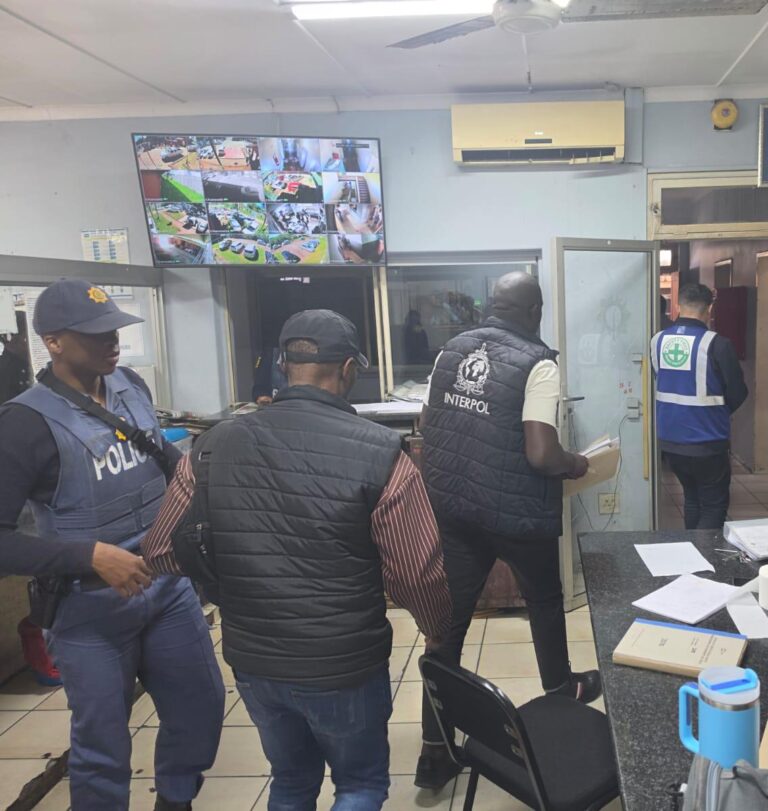
Speaking to some of the Zimbabwe-bound foreigners at the Mamelodi East Police Station at the weekend, all of them made it clear that they were bitter about the fact that they have been compelled to leave the country.
“To be honest with you my brother, we are very bitter about leaving South Africa because many of us are leaving our families behind in South Africa; we have wives, girlfriends and children here in South Africa and it’s a pity that we have to leave them behind,” said Dan Dzimbiri who revealed that he has been in South Africa for close to 14 years.
He admitted that he is an undocumented foreigner and that he had all along been surviving on doing garden work and running errands for a white family in the suburbs of Tshwane.
“The situation has changed now and my white employees have informed me that my services are no longer needed as I am an illegal foreigner,” he said bitterly.
He refused to reveal how much he was being paid per month for his services by the white family he was working for.
It must be stated that the government has announced that employees found to have hired illegal foreigners will be fined R10 000 for each illegally-employed foreigner that they have employed.
“I am a builder; I survived by working for various construction companies; I can show you many buildings for whose establishment I have contributed my expertise,” said Michael Chivute, whose chapped hands are testimony of the hard labour he has been doing in the South African construction industry for 10 years now.
“Once we get to Zimbabwe we will be living at our parents’ homes and prospects of being employed back home are very slim, and I therefore won’t be able to send any money to my wife and kids back here in South Africa,” he said.
“My brother we are Africans and we believe in African traditional rituals like performing libations (ukuphahla madlozi) for our ancestors and now that I am leaving, my question is how is my wife going to perform such rituals for my children with me as the father being absent?” asked another Zimbabwean Peter Nkomo.
Yet another Zimbabwean, who refused to reveal his name, lamented the fact that his wife and children have refused to follow him back to Zimbabwe.
“But I understand their decision not to follow me back to Zimbabwe because there are no prospects of a better life than the one we have been enjoying together in South Africa,” he said.
A few of them were coy about revealing whether they had wives and children back in Zimbabwe before coming to South Africa many years ago, while others revealed that the only wives, girlfriends and children that they have ever had are in South Africa.
Jackson Khoza decried the fact that Zimbabwean women who are here in South Africa no longer consider them Zimbabweans as an option for any romantic relationship, but now prefer South African men.
“This is because we are now penniless; we no longer have jobs that we used to survive on,” said Khoza who revealed that he used to work as a barber in Mamelodi and has now been forced to vacate his hair salon business by local members of the community.
Be that as it may 35-year-old James Mutekere admitted that though he was leaving the country, he preferred South African women in terms of romantic relationships because South African women are loving and have always shown respect to them even when they happened to be foreigners.
The Zimbabwean-bound foreigners invited this scribe to visit Zimbabwe some time in the future, and he obliged.