
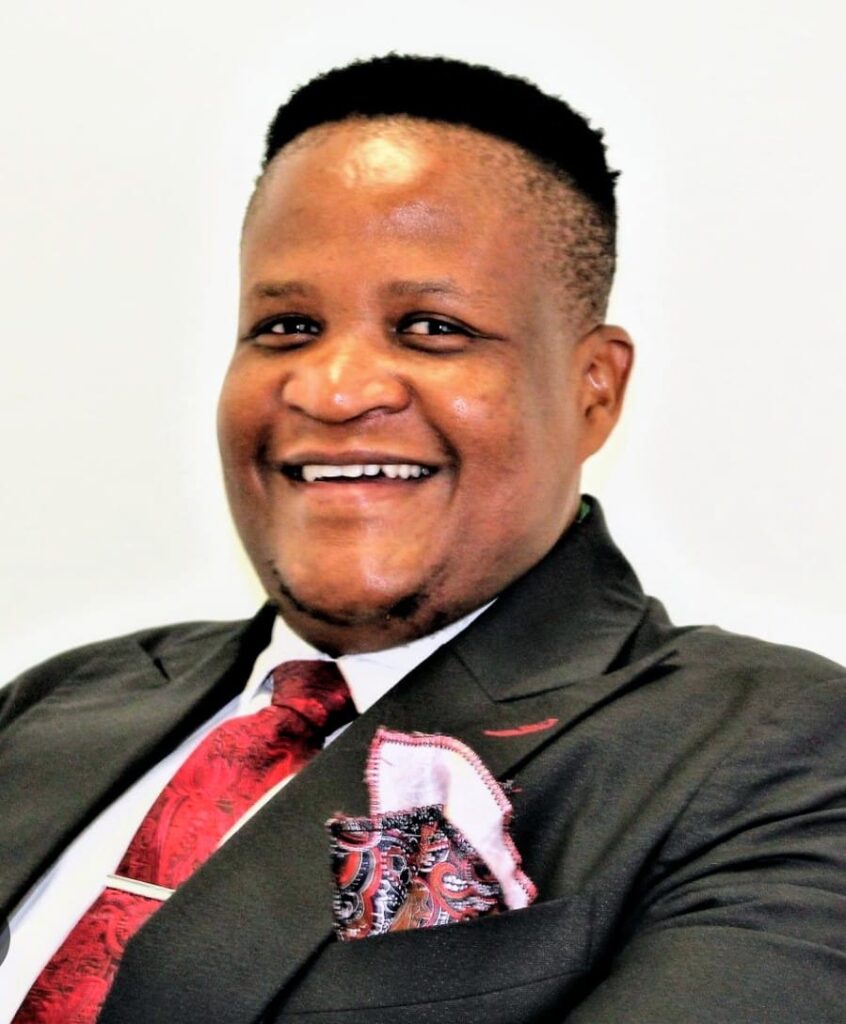
 Katlego Makgaleng
Tshwane Community Leader
By Katlego Makgaleng
Tshwane Community Leader
South Africa has seen a series of coalitions rising and falling over the past 10 years. In 2016, many metro municipalities witnessed a tidal wave of coalitions.
Cities like Tshwane, Johannesburg, and Nelson Mandela Bay and even local municipalities like Rustenburg had to be governed by coalitions.
South Africa did not witness this for the first time in 2016; ten years earlier, the DA led the City of Cape Town through a coalition. With the growing phenomenon of coalitions, political operatives and chancers are developing strategies and plans on how they can lay their hands on government levers to control budgets and departments for their own nefarious agendas.
It was recently revealed that those who removed Dr. Mpho Phalatse and the DA in Joburg received monies to do so.
Small parties continue to position themselves as kingmakers, but actually, they are ANC branches and extensions in councils.
From my personal experience over the past ten years as a councillor having served as Deputy Chief Whip and now Chairperson of the DA caucus in Tshwane I engage regularly with whips and members of other political parties in council.
Whether at the whippery level, programming meetings, or council, we engage on reports, deciding which recommendations should be removed or inserted.
Some reports are not as consequential, while others really need serious consideration.
When we were in government, my Chief Whip delegated the responsibility to engage our coalition whips and other party whips.
We had a WhatsApp group with all these whips to engage on reports, coordinate strategies for council meetings, and share information from the ground on what must happen.
The general management, negotiations, and agreements here need sober minds not self-centered politicians, but leaders who keep the voters in mind rather than themselves.
The unreliability of coalitions comes from small parties that blow with the wind; those who do not have structures to account to. Bigger parties like the DA have structures that keep their public representatives accountable, with mechanisms in place to evaluate performance.
A DA public representative must have a functional branch, hold regular branch meetings, and attend caucus meetings and Regional Council meetings where governance matters are on the agenda.
Conversely, smaller parties with only one representative are a one-man show without these systems, meaning even those who voted for them cannot get hold of them.
The DA is the only party I know in South Africa whose public representatives’ contact details are published on their website—from national leaders, MPs, and MPLs, to councillors.
Because of this, the public has a mechanism for escalation where they can report a councillor to their respective wards.
I encourage voters to vote wisely if they want accountable and available councillors in the coming local government elections. They should choose a party with a track record, and that party is the DA.
Tshwane Talks readers have been able to read stories in this publication for free for over two years now. We still want our readers to access our stories for free, but we are asking those among our readers who can afford it to contribute at least R30 a month to cover some of the costs of publishing this independent, non-aligned online newspaper which gives a voice to all sectors of society irrespective of race, colour, creed, religion, or political affiliation. You may make your contribution by depositing at least R30 a month into Tshwane Talks' bank account. Details are as follows:
Bank Details
Bank: Standard Bank
Account Number: 10225548834
Account Type: Cheque Account