

“Journalists Paid to Discredit Afri-Forum,” Says Kriel

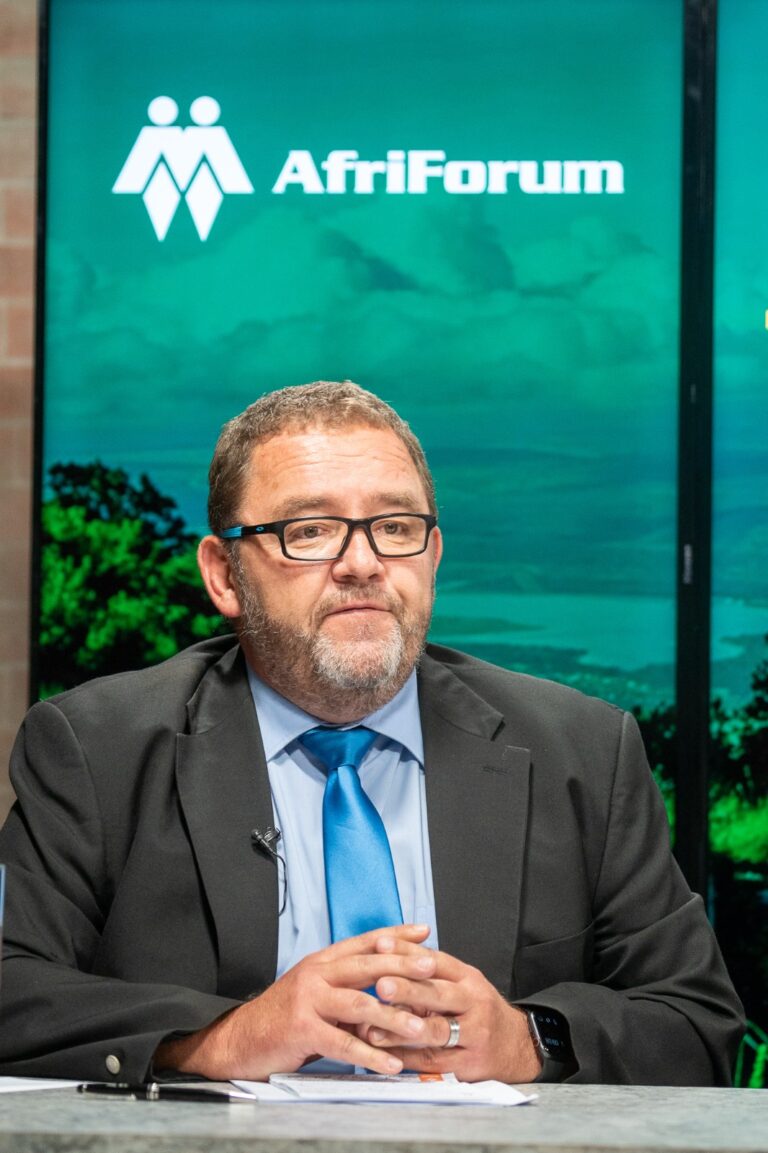
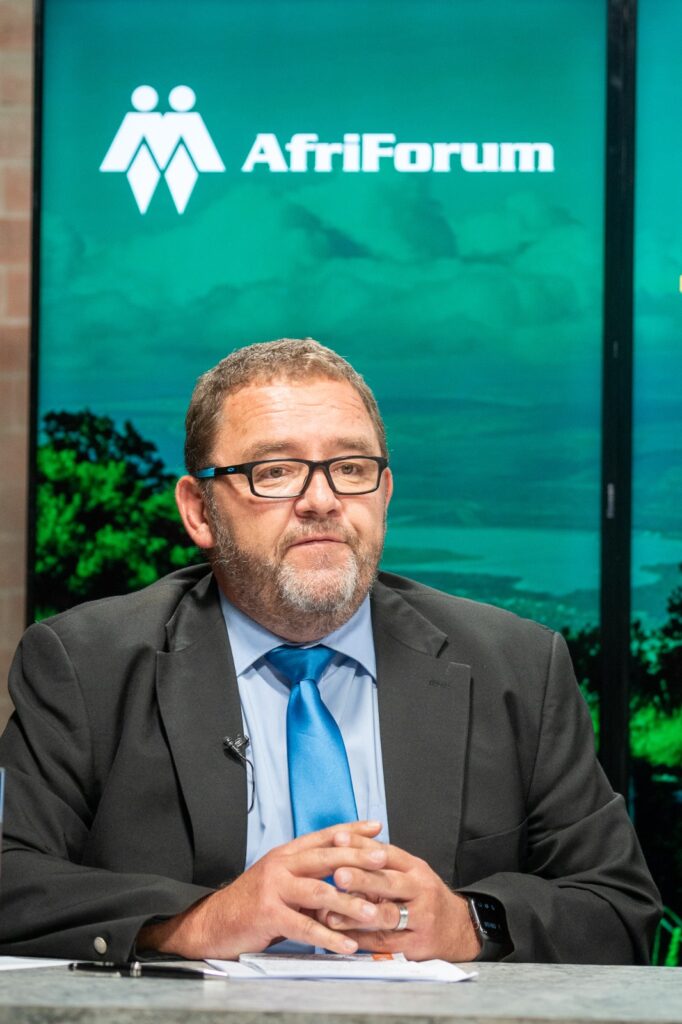 AfriForum CEO Kallie Kriel
By Kallie Kriel
CEO AfriForum
AfriForum has this week officially made applications to both the State Security Agency (SSA) and the Department of International Relations and Cooperation (Dirco) in terms of the Promotion of Access to Information Act (PAIA) to provide information regarding which journalists, academics and commentators are paid by the state to influence public opinion according to the state’s directives.
The SSA and Dirco have 30 days to provide the information. However, if the information is withheld, AfriForum can approach the Information Regulator (IR) and ultimately the courts.
According to Kallie Kriel, CEO of AfriForum, the PAIA applications were made after a well-known former journalist approached AfriForum with reliable information that two well-known South African journalists are currently being compensated by the SSA and Dirco to, among others, try to discredit AfriForum and the Solidarity Movement and to polish the image of President Cyril Ramaphosa and his government.
The information is consistent with AfriForum’s experience that some journalists, academics and commentators have been making a coordinated effort to misrepresent AfriForum and the Solidarity Movement since February this year.
According to Kriel, many media houses have already had to publish apologies to AfriForum this year, after the press ombudsman ruled that they had published lies about the organisation.
“The fact that the same lies regarding AfriForum and the Solidarity Movement are being spread simultaneously by different journalists, academics and commentators raises serious suspicions that the attacks on AfriForum and the Solidarity Movement are a coordinated effort funded by the state,” says Kriel.
According to Kriel, further serious questions have arisen about the state’s attempts to discredit AfriForum and the Solidarity Movement after it became known that a senior civil servant, with a history of involvement with the state’s security services, Karen Burger, had written the draft of the so-called “Not in our name” statement.
In this statement, approximately 40 Afrikaners, including journalists, academics and commentators, launched coordinated attacks on AfriForum and Solidarity.
“The statement of the 40 is not in itself a threat to AfriForum and the Solidarity Movement’s efforts to build a better future for Afrikaners, Afrikaans speakers and all other communities the country, as none of the signatories has any proven support base.
What does raise serious concerns is that the statement originates from the state machinery and indicates underhanded action in that Burger tried to conceal her involvement by not signing the statement herself,” adds Kriel.
Kriel stresses that the state and other role players’ attempts to silence AfriForum’s voice through coordinated attacks will not succeed.
“All that the unfair attacks achieve is to consolidate AfriForum’s support base and motivate us to work with even greater zeal to bring about positive change in the country by building a better present and future for the various communities in the country,” concludes Kriel.