
World Aids Day, which falls on 1 December every year, was commemorated with a fun walk coupled with song and dance on Monday in Mamelodi.
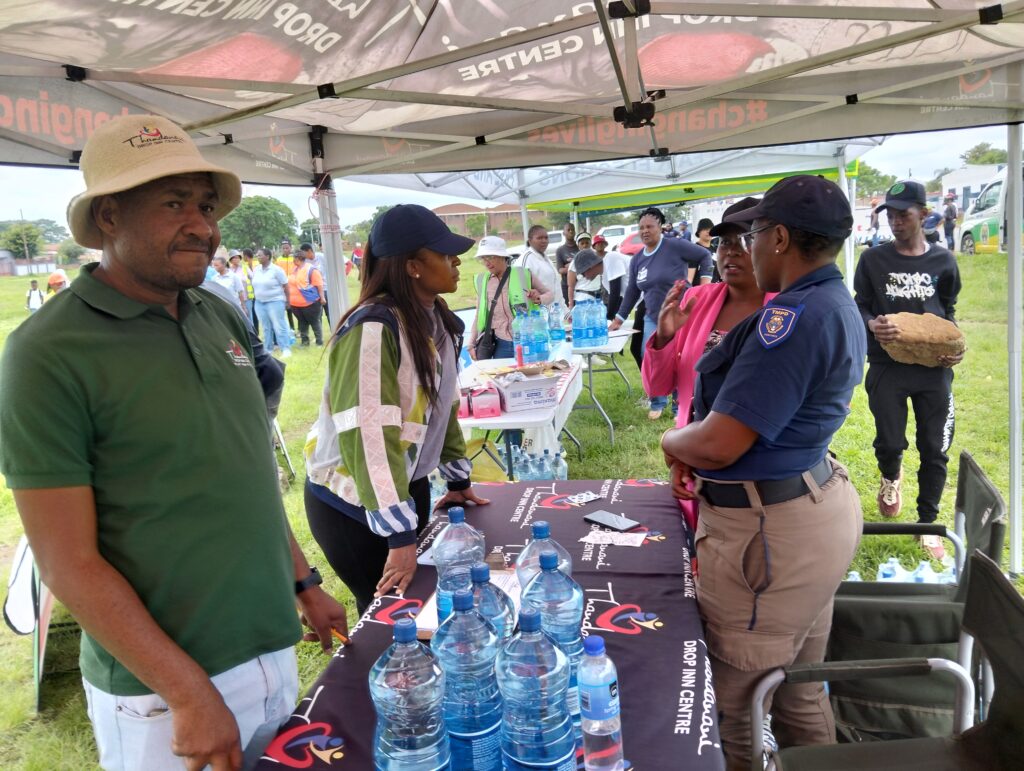
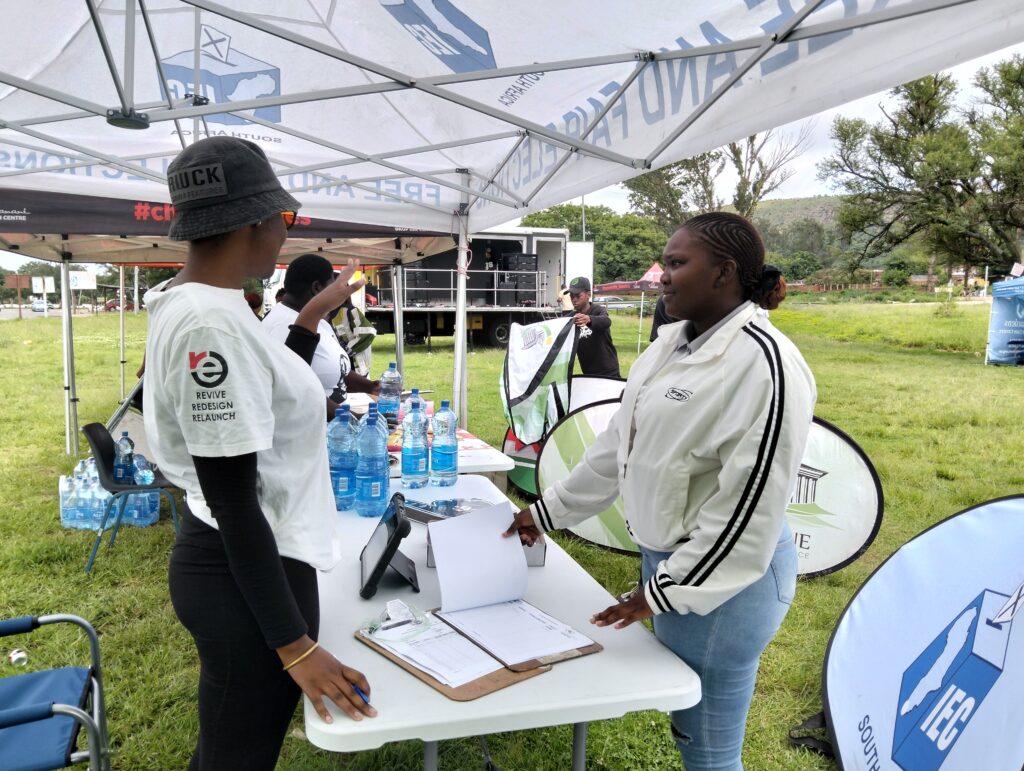
The commemoration event was held at a park in Section SNS, Mamelodi East and was attended by various community-based organisations.
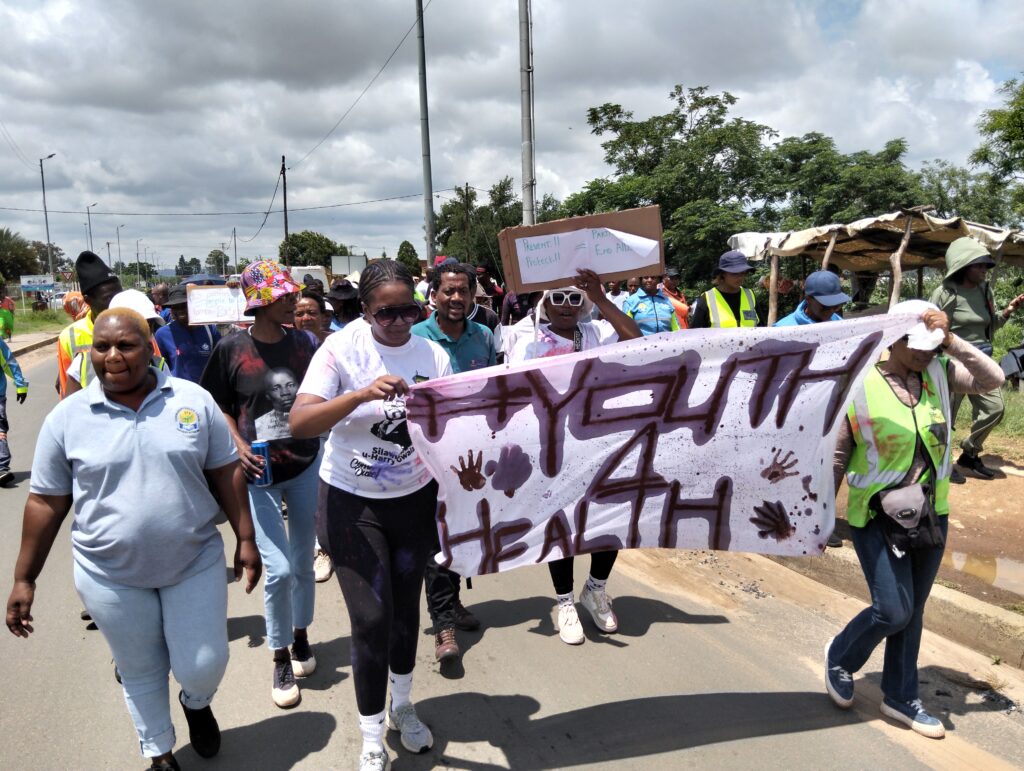
The proceedings started with a 2 kilometer fun walk whereby the attendees ventured into the streets of Mamelodi carrying placards, singing and dancing in order to raise awareness about HIV/AIDS, GBV and other societal ills.
Young boys and girls were also part of the fun walk.
The walk ended right back at the SNS park where it had started.
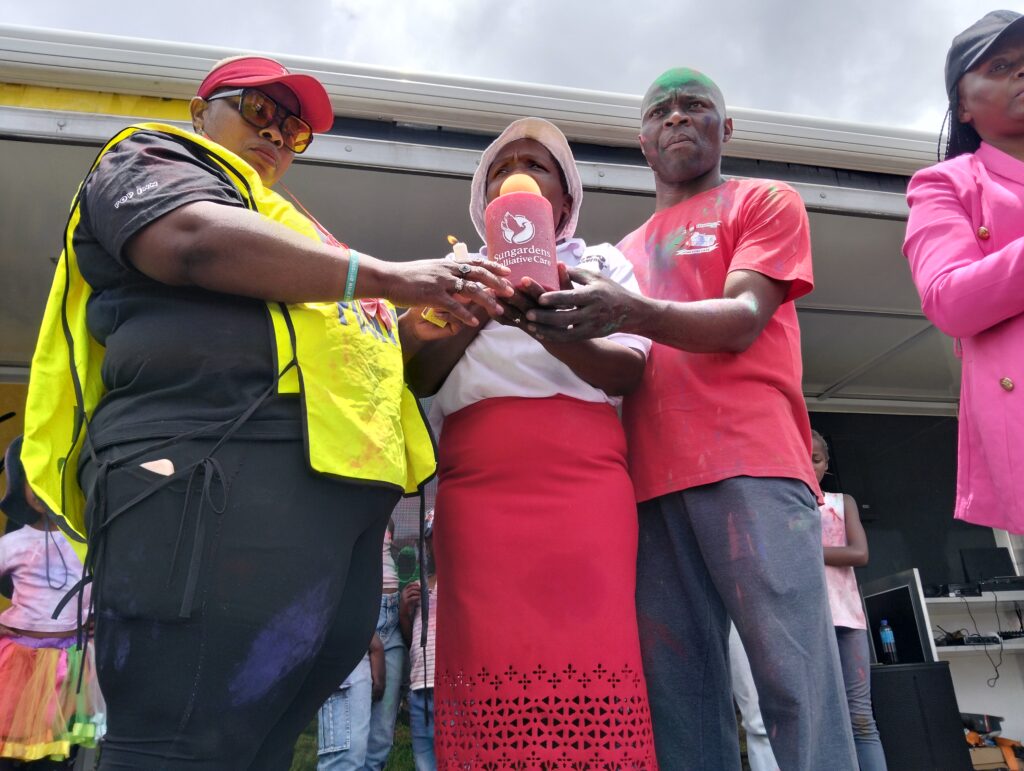
A candle-lit ceremony was then held in memory of those who died of HIV/AIDS as well as those living with it.
Different organisations did their best to offer HIV/AIDS-related services to the public during the commemoration event.
Treatment Action Campaign activist Rinah Semadi told Tshwane Talks that she attended the event to highlight the fact that there are 1,1 million “treatment interruptors” countrywide.
“Treatment interruptors are people who have tested positive for HIV at various health facilities but have not gone back to start receiving treatment in this regard,” said Semadi.
“At the local Stanza Bopape clinic in Mamelodi East there are 15 000 treatment interruptors and we are on a campaign to trace these treatment interruptors and urge them to go back to the facilities where they tested positive for HIV/AIDS so that they can receive due treatment,” she said.
Semadi revealed that treatment interruptors are in most cases people who are employed and can’t afford to spend long hours at health facilities to receive treatment, this as their employers threaten to fire them for being absent from work for long periods.
“These treatment interruptors acknowledge that it is important for them to start treatment, but being away from work for long hours or days will lead to them being dismissed from work and they have suggested that more staff members should be hired at health facilities so as to ensure that they (treatment interruptors) don’t spend many hours or days away from work while seeking treatment,” said Semadi.
“We have now come up with a strategy to offer these treatment interruptors 6 months medication as long as they are virally-suppressed,” she said.
Semadi appealed for an end to the culture of stigmatising those living with HIV AIDS; insisting that if one sees someone receiving treatment at HIV/AIDS health facilities, they must support them instead of ridiculing them or discriminating against them.
“We are commemorating World Aids Day with a bang, we had a dance-off and people received services regarding HIV while learning more about it,” said City of Tshwane Multi-Sectoral Aids Management Unit official Howard Mabena.
“As a form of remembrance, we have mobilised the community, who are our stakeholders, to come and join us in this commemoration event regarding World Aids Day,” said Mabena.
“If you test positive just stay on your medication,” said Mabena as he revealed that at the moment it is mostly young women from the age of 14 to 24 who get infected with HIV/AIDS.
Services that were offered during the commemoration are as follows:
1. Testing for HIV/AIDS.
2. Pre-exposure prophylaxis (PrEP),which is medication taken mostly by young people so as to prevent HIV/AIDS infection in case they engage in unprotected sex.
3. Counselling.
Mabena expressed satisfaction that organisations such as Lovelife, Sun Gardens, Build Africa, Wits RHI and Thandanani, MSAMU, Sun Gardens,ICARE ,Love Life, Aurum Pop in, Wits RHI, CPF ,TMPD,Enthokozweni, IEC, Build Africa,City of Tshwane, Gauteng Sport art and Culture, Moses Mabhida,Impilo Tennis Club, MB Teen LIfestyle,Starring entertainment were present at the commemoration.
Mabena urged young ladies to stop having affairs with older men and make sure that they use condoms each time they engage in sex.
Tshwane Talks readers have been able to read stories in this publication for free for over two years now. We still want our readers to access our stories for free, but we are asking those among our readers who can afford it to contribute at least R30 a month to cover some of the costs of publishing this independent, non-aligned online newspaper which gives a voice to all sectors of society irrespective of race, colour, creed, religion, or political affiliation. You may make your contribution by depositing at least R30 a month into Tshwane Talks' bank account. Details are as follows:
Bank Details
Bank: Standard Bank
Account Number: 10225548834
Account Type: Cheque Account